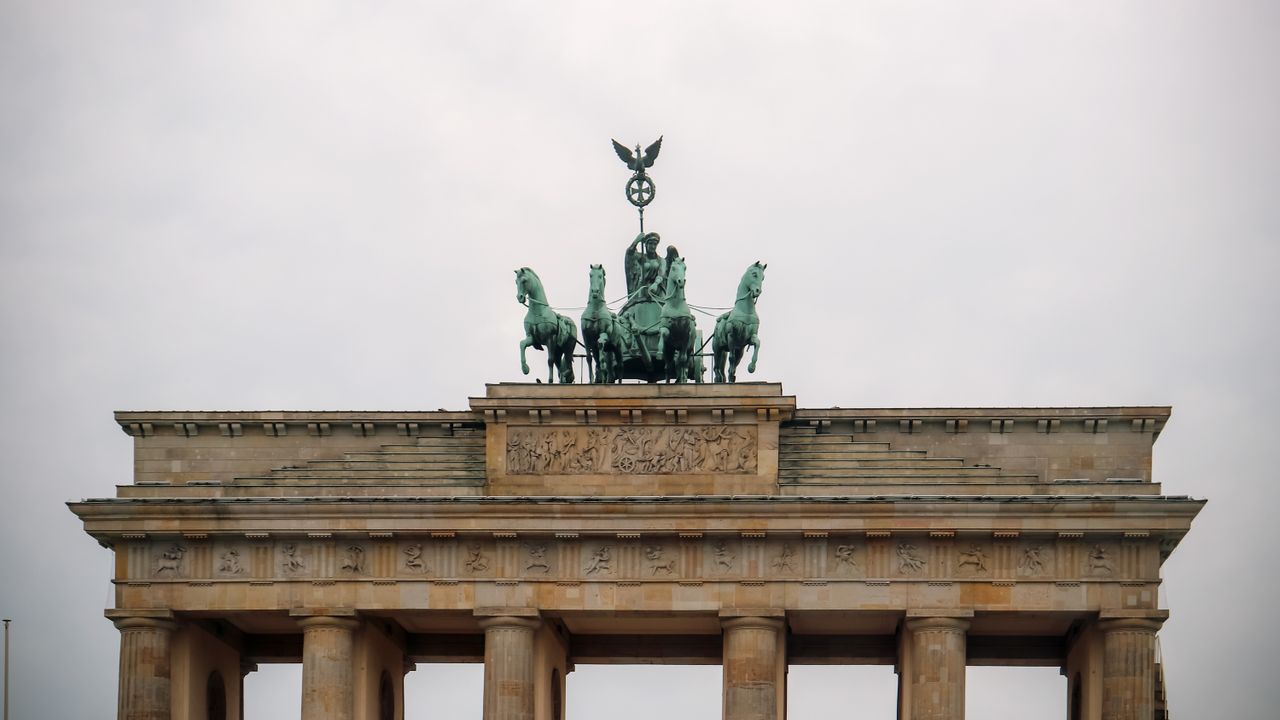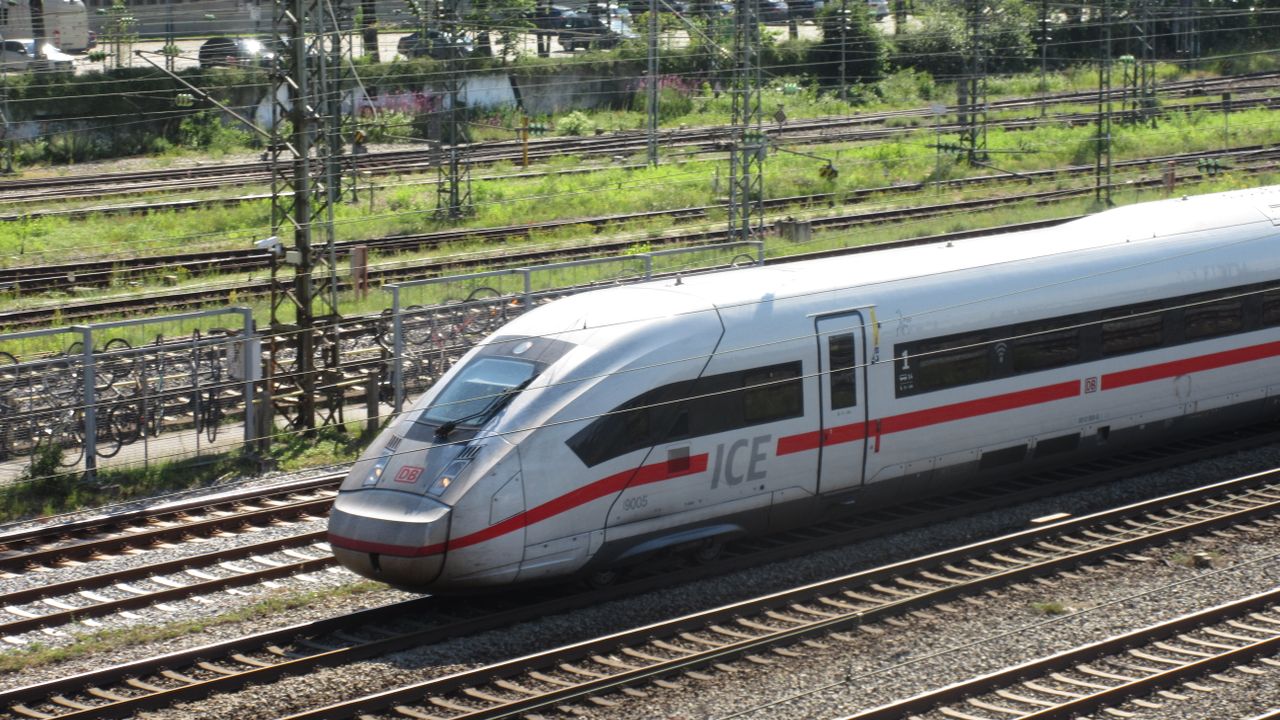
Germany has one of the densest rail networks in the world. Fast ICE trains link Berlin, Hamburg, Munich, Frankfurt and Cologne in a few hours, and regional trains reach almost every town. With a little planning, the train is often faster and more relaxing than the car.
The main types of trains
- ICE (InterCity Express): high-speed trains up to 300 km/h between big cities
- IC and EC: comfortable long-distance trains, slightly slower and often cheaper
- RE and RB: regional trains for shorter trips and day excursions
- S-Bahn and U-Bahn: suburban and underground trains in the cities
Which ticket to buy
For long journeys, Saver Fare (Sparpreis) tickets are the best value; they are tied to one train and become more expensive closer to the date. The Flexpreis lets you take any train on your route. For regional travel, the Deutschlandticket costs a monthly fee and covers all local and regional trains, buses and trams in Germany, but not ICE or IC trains.
Seat reservations and first class
Reservations are not compulsory in Germany but are strongly recommended, especially on Fridays, Sundays and holidays. In first class you get wider seats, more space for luggage and fewer people. On our train tours we always book reserved first-class seats.
Practical tips
- Download the DB Navigator app for tickets, platforms and delays
- Check the coach position board on the platform to find your carriage quickly
- Keep large suitcases light: you lift them into the train yourself
- Allow at least 15 minutes for changes at big stations
- Trains can be late; we plan buffers before important connections
Prefer not to plan it yourself? Our Germany by ICE tour includes all tickets, reservations and hotels near the stations.